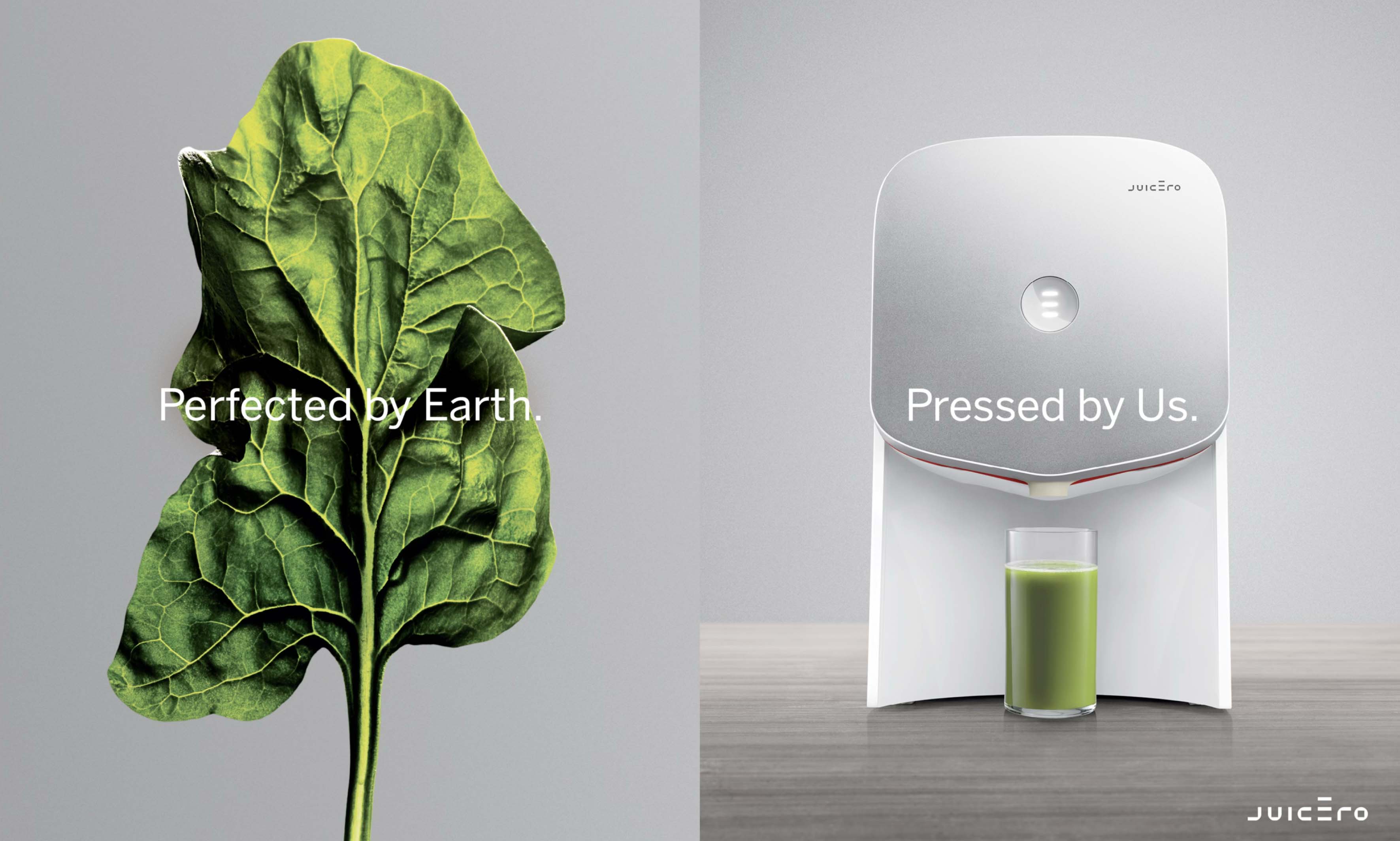
One of Silicon Valley's most infamous failures was Juicero. In 2016, the startup received $120 million in venture capital from leading investors, including Kleiner Perkins and Google Ventures, and then proceeded to go bankrupt within three years.
The Juicero press was a Wi-Fi-connected device that sat on your kitchen counter and made delicious fruit and vegetable juice on demand. It used proprietary single-serving packets of pre-juiced fruits and vegetables, which were sold exclusively by the company on a subscription basis.
The founder compared himself to Steve Jobs and hired expensive industrial designers to create a beautiful machine (beware of any founder who compares himself to Steve Jobs).
People love fresh fruit and vegetable juice, and the startup was sure that people would love the convenience of a beautiful machine like this in their own homes.
The machine initially sold for $699 (eventually dropping in price), while the juice packets sold for around $5 each and were only available on a subscription basis. Each juice packet had a printed QR code to be scanned while the machine connected to the internet to validate the packet and check the expiration date.
Investors loved the very profitable business model since the high-margin packets were required to use the machine and could only be bought from the company.
But, as you've probably already guessed, it failed miserably. The machine was too expensive, too unreliable, and couldn't be used for anything else (there was no way to press your own fruits and vegetables, for example).
The death knell came when Bloomberg ran an article pointing out that the machine itself was completely unnecessary—you could just buy the juice packets and squeeze them by hand, yielding exactly the same result. The company shut down in 2017, just seventeen months after launching (and after $120 million in investor capital had been flushed down the toilet).
In retrospect, the business model was fatally flawed from the beginning. Juicero had an expensive solution to a problem no one really had, and the profit margin was based on the consumer lock-in of a proprietary machine and consumables that could only be bought from the company.
What consumers really want (and continue to buy) is juicers that you can toss your own fruits and vegetables into—no internet connection required. Remember, in the previous chapter, we talked about how your product exists in a landscape of competitors and alternatives. Juicero may not have been competing with other Wi-Fi-connected, stupidly expensive juicing machines, but it was certainly competing with all sorts of alternative ways of juicing!
It's hard to understand how venture capitalists sank $120 million into this project, but on the other hand, VCs do all sorts of inexplicable things. I suppose the investors fell in love with the economic model, the subscription lock-in, and the whole health/nutrition trend. But when something fails as immediately as Juicero did, it's clear that the market didn't like the product nearly as much as the founders and investors did.